

Real talk about our undecided future through the lens of creativity and possibility
Season 2 out now!
We’re back with a new season of Doom & Bloom.
This time we’re focused on how designers can shift the culture within the design industry to prioritize climate-forward design decisions. Designers want to do climate-positive work, but they keep hitting roadblocks.
We’ll tap back into the Thinknado process to brainstorm ways to make climate action the default at any studio or company.
We’re inviting professionals from across industries to brainstorm how to make climate action the default where designers actually work.
Season 2

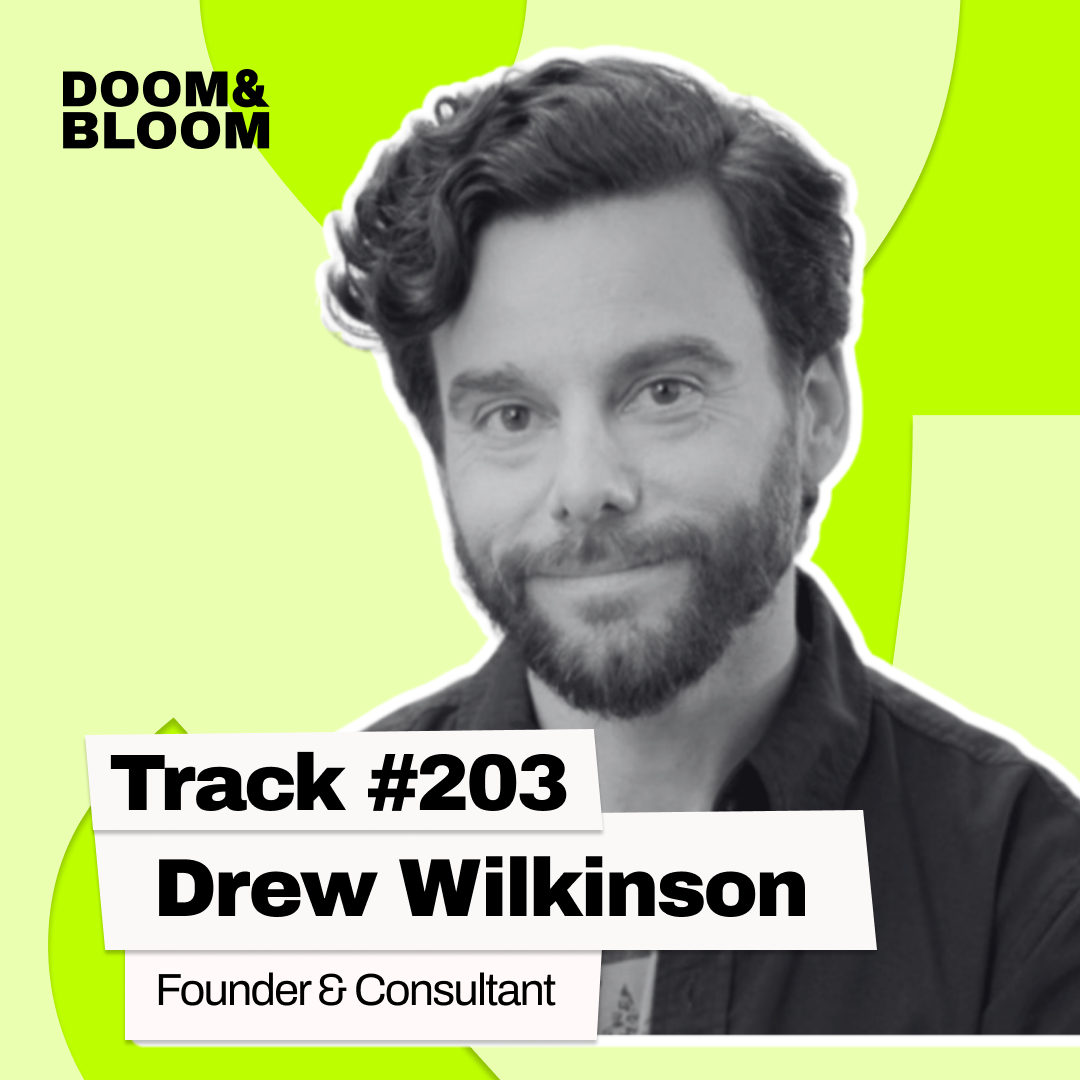
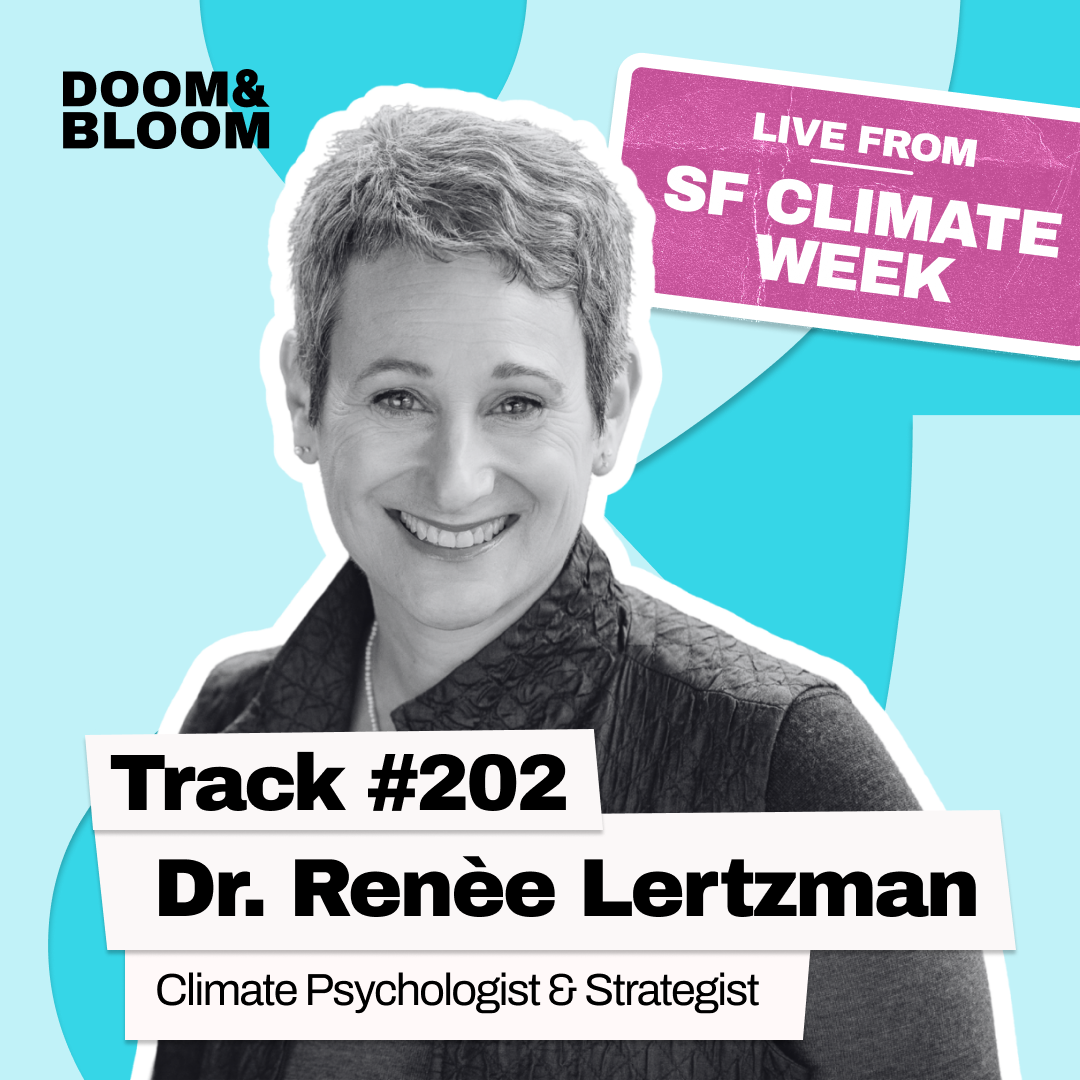
What ideas do you have from the latest Doom & Bloom episode?
If you have something interesting to share, bring them to our monthly Doom & Bloom Recap Hangouts.
Every second FRI of the following month during this season.

Season 1




The Doom & Bloom Team

Marc O’Brien, Host
Wait, why are people unaware of climate solutions in their own backyard?
Maybe it’s possible to highlight the amazing work happening at the local level so more people know about them.
What if we called out the people behind these projects to celebrate their work like we do with sports figures and celebrities.
Try this: Promote the people behind these projects on bus stops, fliers, park benches, local news channels, billboards.
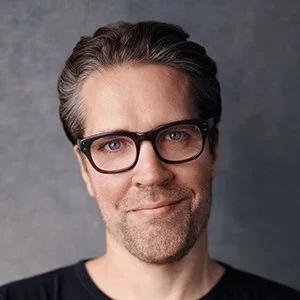
Holden Hardcastle, Editor
fluidstudios.org
Wait, why do we assume the worst instead of admitting we don’t know the full story, stopping at the surface of a problem instead of asking the questions that help us actually understand it?
Maybe it’s possible to think radically differently about the collective good, our planet, and the future and to realize that the deeper we go, the more we uncover solutions that already exist and are simply waiting to be used.
What if we collaborated with communities, artists, and teams to create beautiful and exciting experiences, implemented sustainable, existing systems to contribute to a brighter future for generations, and nurtured a world that thrives on the harmony between humanity, technology, and the natural environment?
Try this: Find a problem and before offering up your initial solution ask at least three more questions about the problem and the current solutions.

Jackie Demshick, Designer
Wait why do the places we spend most of our time not resemble our natural habitat?
Maybe it's possible to reap the benefits of nature in the places where we spend most of our time.
What if homes weren't just designed to look nice, but prioritized humans' innate needs from nature?
Try This: Incorporate nature and natural patterns in a new way using one of the patterns of biophilic design to promote health, wellbeing, and productivity.

Doom & Bloom is proud to have Thinknado sponsor our podcast
